


We all diligently apply SPF, but how many of us ask how to store sunscreen correctly? In warm, humid environments- especially in countries like India- improper storage of SPF gel can reduce its efficiency and performance, shorten its shelf life and compromise its level of protection.
If you’ve ever found an old bottle of sunblock and wondered whether it’s still safe or effective, you’re reading the right article. In the next few minutes, you’ll learn how to store your SPF gel so it remains potent. You would also learn how to spot when it’s time to replace it, so you’re not inadvertently relying on weakened protection.
Why Proper Storage Matters?
Sunscreens are more than just cosmetic lotions they contain active UV filters whose effectiveness can degrade. Research shows extreme temperature exposure leads to irreversible changes in a sunscreen’s physical characteristics. For example, one stability study found that formulations stored at 40 °C showed colour shifts and breakdown.
Storage matters because sunscreen shelf life isn’t just about the printed expiry- it's about maintaining the integrity of the formula until you apply it. A compromised product may no longer give you the protection you expect, especially when you’re under intense sunlight.
Ideal Storage Conditions
Here’s what experts recommend when deciding how to store sunscreen so that it remains effective:
- Store in a cool, dry place, away from direct sunlight. The Cancer Council Australia advises keeping sunscreen below 30 °C in a ‘cool, dark place’.
- Avoid leaving your bottle in a car, near a window or in a beach bag under hot sun- heat and UV light can degrade the active filters.
- Keep it upright and secure the cap immediately after use- this prevents contamination and air exposure.
- For formats like water based sunscreen or oil control sunscreen, which may rely on delicate emulsion systems, extra care becomes even more important.
- If you’re using a glowing sunscreen for face, or one with extra skincare actives, remember heat can degrade additional ingredients, not just SPF.
Common Mistakes to Avoid
Here are typical storage pitfalls that cause formula degradation and reduce the product’s effectiveness:
- Tossing the sunscreen in your car glove compartment- this subjects it to high heat for hours.
- Leaving it out on your bathroom shelf, where high humidity can cause separation or mould growth.
- Using a travel pouch that’s uninsulated and exposed to sunlight.
- Mixing sunscreen into other creams (especially common with face moisturiser sunscreen blends)- this can change the chemical stability.
- Forgetting it’s been a year or more post-purchase and still using it simply because it looks fine.
How to Store Sunscreen Correctly? A Step-by-Step Guide
Here’s a quick checklist you can follow:
- Unpack your sunscreen; write the date on it (especially if ‘Period After Opening’ isn’t listed).
- Choose a storage spot indoors that stays relatively cool and shaded. Avoid the car, windowsills, and bathroom shelves above the heat.
- After each use, apply the cap securely. Wipe off residue around the cap to prevent air ingress.
- While travelling, keep sunscreen in a shade bag or insulated pouch, not in direct sun for hours.
- If you’re using a powder sunscreen for face or a compact product, treat it the same: avoid heat, keep lid closed, don’t carry in an overheated bag.
- If the product changes texture, colour, smell, or consistency, you should discard it.
How Long Can Sunscreen Last?
Understanding sunscreen shelf life helps make informed decisions. According to the Food and Drug Administration (FDA), sunscreens are required to carry an expiration date unless stability data show the product is stable for at least three years. Many brands mark a ‘12 M’ symbol to indicate safe usage for up to 12 months after opening.
The general guidance:
- Unopened and stored well: 2-3 years from manufacture.
- Opened and stored under heat/humidity: effective life may shrink substantially.
- Given the Indian climate (high temperature/humidity), it’s safe to treat any product older than 18-24 months with suspicion.
- Always check and respect the printed expiry if present.
Spot the Signs Your Sunscreen Might Be Compromised
You may ask: ‘How do I know if my sunblock is still reliable?’ Here are visual or sensory cues:
| Sign | Possible Meaning |
|---|---|
| Colour change (yellowing or brown tint) | UV filters may be oxidising |
| Texture separation, clumping or watery layer | Emulsion breakdown |
| Uneven application or chalky finish | Film-forming agents are degraded |
| Strange/off smell | Preservatives may be compromised |
| The bottle becomes hot to touch | Storage in heat and repeated exposure |
If you notice any of the above, it’s safer to discard the product rather than risk sunscreen heat damage, compromising your protection.
Recommended Mamaearth Sunscreen Formats & Products
Choosing the right format and brand also helps ensure the longevity of the product. Here are four great options from a trusted brand:
- Ultra Light Indian Sunscreen: Lightweight fluid format with high SPF, ideal for daily face use and travelling.
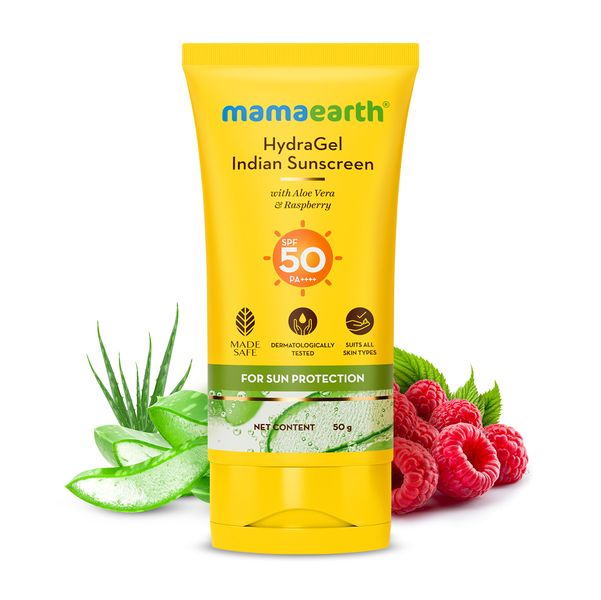
- HydraGel Indian Sunscreen SPF 50: Water-based sunscreen gel, great for oily or humid climates and can be stored in cooler indoor spots.
- Daily Glow Sunscreen: Infused with a glow-finish and suitable when you want skincare plus sun-care.
- Mineral Based Sunscreen: Mineral-rich formula that’s especially good if you travel or carry your sunscreen in a hot bag; though still needs proper storage to remain effective.
By choosing one you’ll use consistently (whether a waterproof sunscreen for outdoor days or a regular one for daily wear), you increase the chance it will remain effective until you finish it.

Conclusion & Take-Home Tips
Yes- knowing how to store sunscreen properly is just as important as applying it correctly. Without good storage, even the best formula can lose its punch, shortening its shelf life, and raising the risk of sun damage.
Key take-aways:
- Store sunscreen in cool, dry, shady spots (below ~30 °C).
- Avoid car dashboards, bathrooms and beach bags in direct sun.
- Monitor for signs of degradation: colour, texture, smell.
- Replace products after 2–3 years (sooner if exposed to heat/humidity).
- Choose a format you’ll use consistently- then store it right.
Follow these steps and you’ll ensure the protection you apply remains as strong as it was when you first opened the bottle.
Frequently Asked Questions:
Keep sunscreen in a cool, dry place away from direct sunlight- heat can break down its active ingredients and reduce effectiveness. Close the cap tightly after each use to prevent contamination or oxidation. Avoid storing it near windows or in hot bathrooms. If you use Mamaearth sunscreens, their natural ingredients stay stable when kept at room temperature.
Try not to leave sunscreen in a hot car for long periods, as high temperatures can weaken the formula. If you must keep it there, place it in a glove box, under a seat, or inside an insulated pouch to minimize heat exposure. Check texture and smell regularly- if it separates or smells odd, replace it. We recommend carrying a small Mamaearth sunscreen tube in your bag to help avoid leaving full bottles in the car.
Keep travel-size sunscreen in a zipped pouch to avoid leaks and exposure to heat or light. Store it inside your carry-on or handbag rather than the outer pockets that get sun exposure. Make sure the cap is tightly sealed and clean the nozzle after use. Travel packs are lightweight and easy to keep at room temperature while on the go.
Yes- heat accelerates the breakdown of UV filters, reduces effectiveness, and can shorten the sun protectant’s usable life.
Even if it looks fine, if it’s been 3+ years (or has no expiry and you don’t know when it was opened), it’s wise to replace it. The FDA recommends discarding after 3 years if no date is shown.
No. Cars can reach high temperatures that degrade the formula. It’s better to store at home or in shade.
Yes- high humidity and fluctuating temperature can lead to formula change or even microbial growth. Better to keep it outside the bathroom.
Packaging matters. Powder formats may handle heat better, but still require shade and proper storage. Liquid or gel formats may be more vulnerable to separation or heat-related breakdown.
Yes. While you can’t infinitely extend life, storing as recommended (cool, dry, shaded) helps maintain the full protection closer to its printed shelf life.
References:
- U.S. Food and Drug Administration: https://www.fda.gov/drugs/understanding-over-counter-medicines/sunscreen-how-help-protect-your-skin-sun
- JAAD: https://www.jaad.org/article/S0190-9622%2811%2901134-0/fulltext
- Cancer Council Australia: https://www.cancer.org.au/cancer-information/causes-and-prevention/sun-safety/about-sunscreen
Related Search Terms
Increase hair density, Best Keratin Shampoo, Best oil for hair growth, Hair Fall Treatment, Control Hair Fall for Women, Increase hair growth, मुँहासे के लिए सबसे अच्छी क्रीम, चेहरे पर काले धब्बे के कारण, बालों के लिए सबसे अच्छा शैंपू कौन सा है, साबुन, लिपस्टिक, डैंड्रफ का रामबाण इलाज | difference between chemical and mineral sunscreen ,What Does SPF Mean?, 10 Common Sunscreen Myths You Need to Stop Believing (Fact vs. Fiction!), How Sunscreen Works? The Science Behind SPF Technology


