


Most of us wear sunscreen, but do we truly understand how it protects our skin? Whether you're applying it daily or just for beach days, understanding how sunscreen works empowers you to choose smarter and use it better. While you may have heard about UVA and UVB rays or SPF levels, this article breaks it all down using science-backed insights and real-world relevance. If you’ve ever asked, ‘What’s really in this bottle?’- then this beginner’s guide is for you.
What Are UV Rays and Why Do They Matter?
The sun emits ultraviolet (UV) radiation in two primary types:
- UVA Rays: These penetrate deep into the skin and are responsible for premature aging and wrinkles.
- UVB Rays: These affect the surface layers of the skin and are the main cause of sunburns.
Both types contribute to skin cancer and hyperpigmentation over time, which is why protecting against UV rays is essential year-round- not just in summer.
How Sunscreen Works? The Science behind SPF Technology
Sunscreen works by either absorbing, reflecting, or scattering UV rays before they can penetrate your skin. There are two main types of sunscreen formulations:
- Chemical Sunscreens (like avobenzone or octinoxate): These absorb UV rays, convert them into heat, and release them from the skin.
- Mineral or Physical Sunscreens (like zinc oxide or titanium dioxide): These sit on top of your skin and reflect UV rays like a mirror.
This is the core of sun protection science. Sunscreens are designed with filters that cover both UVA and UVB ranges, ensuring broad-spectrum protection. Think of an SPF gel as a high-tech shield customized to deflect and diffuse invisible enemies before they cause long-term skin damage.
SPF Technology: What the Numbers Really Mean?
SPF (or Sun Protection Factor) is a measure of how long a sunscreen can protect you from UVB rays. For example, if your unprotected skin would burn in 10 minutes, SPF 30 theoretically lets you stay in the sun 30 times longer.
But SPF only accounts for UVB- not UVA- unless it’s labeled ‘broad-spectrum.’ Here’s a quick breakdown:
- SPF 15: Blocks ~93% of UVB
- SPF 30: Blocks ~97% of UVB
- SPF 50: Blocks ~98% of UVB
However, no sunscreen blocks 100% of UV rays, and effectiveness depends on how much and how often you apply it. It is of even more importance during the summer and rainy season when radiation is quite high.
Sun Protection Science in Real Life: How to Maximize Efficacy
Even with the best SPF technology, user error can reduce protection. Common mistakes include:
- Applying too little: You need about a shot glass full for your body and two fingers’ worth for your face.
- Not reapplying: Sunscreen must be reapplied every 2–3 hours, especially after sweating or swimming.
- Missing spots: Ears, hairline, neck, and tops of feet are often overlooked.
- Relying solely on makeup with SPF: These usually don’t provide enough coverage.
For daily use, especially in a humid climate, Mamaearth’s Ultra Light Indian Sunscreen can offer both comfort and effective protection. It is a toxin-free UV sunscreen that feels breathable and encourages consistent use- an underrated factor in real-life skin defense.
Recent Research & Advances in SPF Technology
The world of UV sunscreens is rapidly evolving. Recent studies have:
- Validated the efficacy of non-nano mineral filters for sensitive skin.
- Explored the systemic absorption of certain chemical filters- prompting innovation in hybrid sunscreens that blend both filter types.
- Pushed the development of transparent mineral sunscreens that avoid the notorious white cast.
SPF products today are smarter, safer, and more cosmetically elegant than ever before- so no excuses!
Mamaearth Sunscreens That Showcase the Science
- Ultra Light Indian Sunscreen SPF 50 PA+++: A fast-absorbing, non-greasy formula perfect for Indian weather. Enriched with turmeric and carrot seed oil for antioxidant protection.
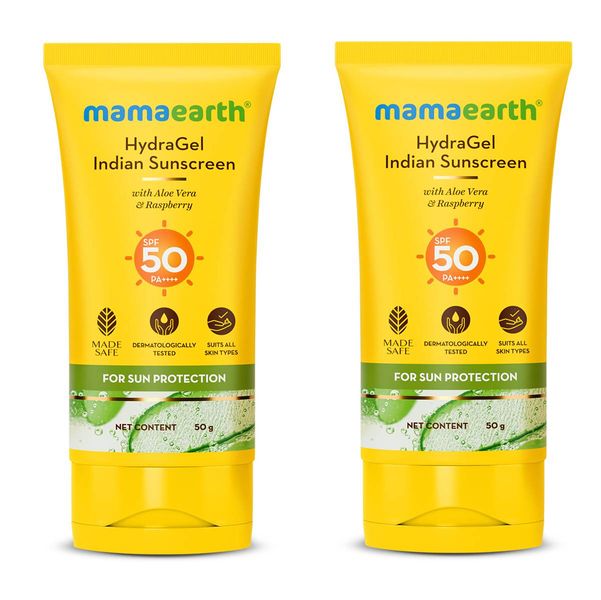
- Hydragel Indian Sunscreen SPF 50: Lightweight gel texture with aloe vera and raspberry. Offers hydration along with strong UVA/UVB protection.
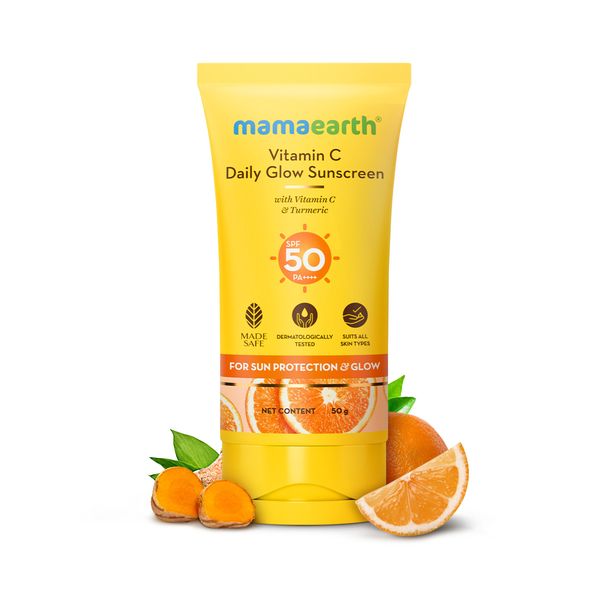
- Daily Glow Sunscreen SPF 50 PA+++: Perfect for daily use under makeup, this sunscreen contains vitamin C and turmeric to boost radiance and protection.
- Mineral-Based Sunscreen for Babies: A gentle zinc-based formula made for sensitive baby skin- free from toxins, parabens, and fragrances.

How to Choose a Sunscreen That Works for You?
Different skin types require different sunscreen styles:
- Oily/acne-prone skin: Go for oil-free, matte-finish gels.
- Dry skin: Look for hydrating, cream-based formulas.
- Pigmentation-prone skin: Choose broad-spectrum sunscreens with antioxidants like niacinamide or vitamin C.
- Everyday urban exposure: Use a UV sunscreen or lightweight formula that’s easy to reapply under makeup.
Conclusion
Now that you know how sunscreen works, you're better equipped to protect your skin daily- not just from sunburn, but also from long-term damage. The real power of sunscreen lies not just in the bottle, but in its consistent and correct use. With today’s advanced SPF technology and smarter formulations, there’s no excuse to skip your sun protection.
So next time you apply sunscreen, you should remember that you’re not just preventing a tan: you’re defending your skin on a molecular level. Powerful, isn’t it?
FAQs:
Sunscreens work by forming a protective shield that blocks harmful UV rays from the sun. They use ingredients like Zinc Oxide, Titanium Dioxide, and antioxidants to safeguard your skin. This helps prevent tanning, sunburn, and premature aging. So, your skin stays healthy, glowing, and protected all day.
On average, a good-quality sunscreen stays effective for about 2–3 hours. If you sweat a lot, swim, or stay outdoors, you may need to reapply it for best protection. The gentle ingredients ensure no stickiness or heaviness. Just reapply every few hours to maintain the shield.
A toxin-free sunscreen forms a lightweight, non-greasy layer on your face. It prevents UV rays from penetrating deep into your skin. This helps keep your complexion bright, fresh, and even-toned. You get sun protection without clogging pores.
Sunscreens usually protect for 2–3 hours under normal conditions. If you're outside for longer, reapply for continued defense. Sweat and water can reduce the duration, so touch-up applications are key. Consistent use means healthier, happier skin daily.
Sunscreen forms a barrier that stops harmful sun rays from damaging your skin. It prevents tanning, dark spots, and dryness caused by harsh UV exposure. The skin-friendly formula nourishes while protecting. You enjoy a smooth, fresh feel throughout the day.
Generally, sunscreens offer reliable protection for 2–3 hours. After that, reapplication ensures your skin stays shielded. It's especially important during outdoor activities. Regular use helps maintain bright, youthful skin.
Sunscreen starts working immediately after application. However, visible improvements in tan control and skin brightness appear in a few days to weeks of daily use. Consistency is key. The more regularly you use it, the better your skin looks.
Sunscreen blocks and reflects UV rays to prevent damage. It keeps moisture locked in and avoids sun irritation. Lightweight and skin-safe ingredients ensure comfort. Your skin feels protected, soft, and calm.
The effectiveness of sunscreen lasts for around 2–3 hours per application. Sun exposure and sweat may reduce this duration. To stay protected, keep reapplying throughout the day. It maintains skin tone and freshness under the sun.
Sunscreen shields your skin by blocking or absorbing UV rays. It prevents tanning, redness, and sun damage effectively. With natural and safe ingredients, it stays gentle on sensitive skin. Just apply generously and reapply for lasting care.
Sources & References Used in the Blog
Here’s a list of trusted, high-authority references that support the key sections of the article:
UV Rays and Why They Matter
- American Academy of Dermatology (AAD): ‘What is ultraviolet (UV) radiation?’
- Skin Cancer Foundation: ‘Understanding UVA and UVB’
How Sunscreen Works
- MD Anderson Cancer Center: ‘How does sunscreen work?’
- Cleveland Clinic: ‘What SPF means in your sunscreen?’
Related Search Terms
Increase hair density, Best Keratin Shampoo, Best oil for hair growth, Hair Fall Treatment, Control Hair Fall for Women, Increase hair growth, मुँहासे के लिए सबसे अच्छी क्रीम, चेहरे पर काले धब्बे के कारण, बालों के लिए सबसे अच्छा शैंपू कौन सा है, साबुन, लिपस्टिक, डैंड्रफ का रामबाण इलाज | difference between chemical and mineral sunscreen ,What Does SPF Mean?, 10 Common Sunscreen Myths You Need to Stop Believing (Fact vs. Fiction!)


