


If you’ve ever asked, ‘does sunscreen prevent tanning?’, well, you’re not alone. Imagine diligently applying your SPF only to step out and see your skin still darkening by the evening. Frustrating, right? The truth is that sun protection alone isn’t always the full defence, especially against tan-causing factors. In this article, we’ll explore why tan happens despite your sunblock, what you can do differently, and how to pick a sunscreen for tanning prevention that really works for your skin.
Why does Tan Happen?
When your skin darkens, it’s not just about sun-getting you bronze- it’s a biological reaction. Melanin, the pigment in your skin, increases in response to UV exposure. This is why you tan. Experts describe the process as ‘when you expose your skin to the sun, melanocyte cells … make more melanin in an attempt to protect against burning.’
Here’s a quick breakdown:
- UVA rays penetrate deeper and contribute more to tanning and aging rather than immediate burning.
- UVB rays mostly lead to burning and sun damage. Your SPF rating often addresses UVB more specifically.
Even if you apply sunscreen, if your protection against UVA isn’t strong, the pigment-production process (tan) still goes on.
Does Sunscreen Prevent Tanning?
So- does sunscreen prevent tanning? Sort of- but not completely. According to the specialists at Cleveland Clinic: ‘You’ll still tan or burn with adequate sun protection… even high-SPF formulas allow a small percentage of ultraviolet light to pass through, which can stimulate melanin production and lead to tanning over time.’
Another key point: SPF primarily measures protection against UVB (burning) rather than UVA (tanning and aging). So even when you choose SPF 50+, if it’s not high on UVA/PA protection, you’re still vulnerable to tanning. So, sunscreen helps but you can still tan and you also still expose your skin to potential damage. A tan is a sign of skin damage, not healthy sun exposure.
Common Mistakes That Cause Tanning Despite SPF
Why are you still tanning even with adequate sun protection? Here are mistakes many make:
- Applying too little or missing areas. Many users apply less than the amount used in lab testing, meaning real-life protection drops.
- Not reapplying regularly. Your sun protectant can wear off via sweat, water, rubbing, or time, so if you don’t reapply, your protection dwindles.
- Insufficient UVA (tanning-ray) protection. If it is more UVB-focused, you might burn less but still tan.
- Over-reliance on sunscreen alone. Many skip shade, protective clothing or timing their outdoor exposure. Sunscreen is just ONE layer of defence.
- Right product but wrong usage. If your sunscreen is formulated for the body but used on face (or vice versa), or you use a product with fewer UVA filters, tanning can still happen.
Choosing the Right Sunscreen for Tanning Prevention
When you’re looking to buy a sunscreen for tanning prevention (and not just prevent sunburn), look for these features:
- Broad-spectrum protection (blocks UVA + UVB)
- High PA rating (in Asian markets) or UVA-PF / PPD rating
- Lightweight textures for face so reapplication is more practical
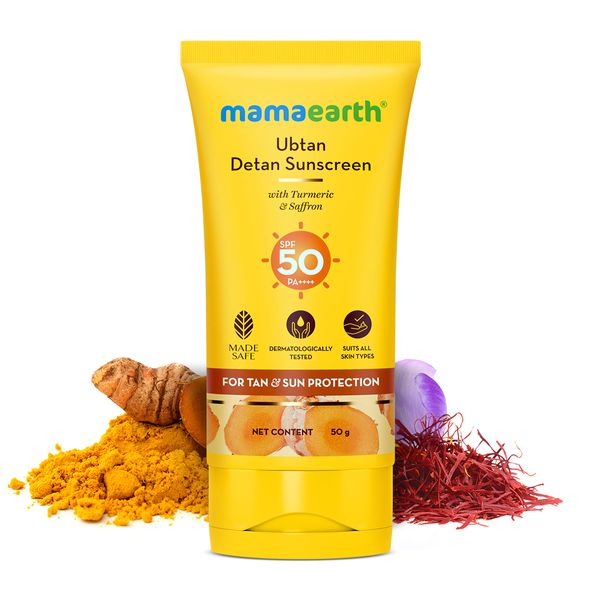
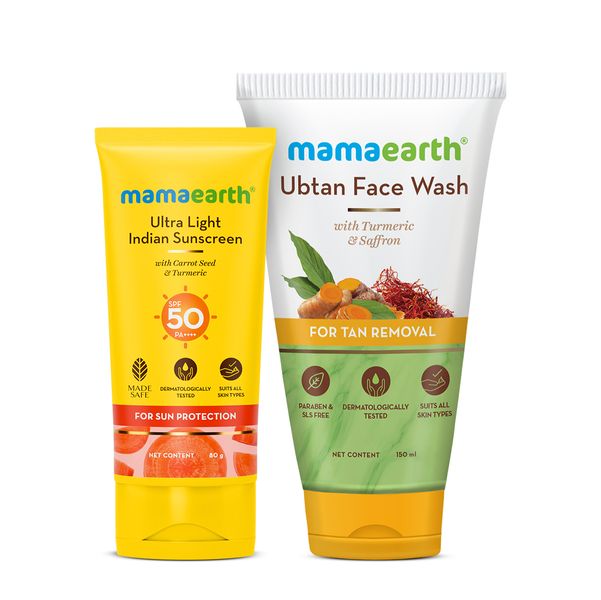
- Special actives targeting pigmentation: for instance, an effective ‘tan removal sunscreen’ might combine brightening ingredients.
- Consider morning use of hyaluronic acid sunscreen for hydration + protection. You may also opt for 1 hyaluronic sunscreen; it’s the same thing.
- A kojic acid sunscreen can help with tanning and dark-spot concerns.
Remember: The goal is ‘minimise tanning’, not ‘guarantee zero tan’ because no sun protectant does that. Using the correct product with the correct method and sun-smart habits can help.
Top Mamaearth Sunscreens Worth Considering
Here are four trusted options with short descriptions:
- Mamaearth Hydragel Sunscreen SPF 50 – A hydrating gel texture, ideal for oily or combination skin, with raspberry seed oil and aloe for soothing.
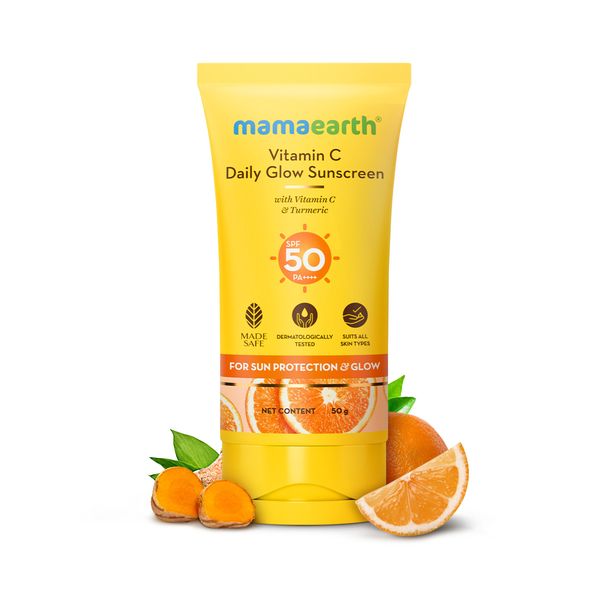
- Mamaearth Daily Glow Sunscreen – Tinted finish that doubles as a makeup base; formulated for those seeking glow + protection.
- Mamaearth Mineral Based Sunscreen – Mineral/physical filter variant with no chemical filters, good for sensitive skin or when tanning-prevention is a priority.
- Mamaearth Rice Water Dewy Sunscreen – Dewy finish with rice-water extract, suited for brightening and helping with pigment control + glow.
How to Apply Sunscreen Correctly to Prevent Tanning?
An application is just as important as the product. Follow these steps:
- Apply about 2 fingers’ worth (face & neck) or 1 ounce (body) of sunscreen 20-30 minutes before sun exposure.
- Reapply every 2 hours, or immediately after swimming, sweating or towel-drying.
- Don’t forget tricky spots: ears, hairline, neck, hands, feet – they often get missed.
- Combine with shade, sun-protected clothing, and peak-sun-hours avoidance (10 am-4 pm).
- If you’re using a powder sunscreen for face or layering under makeup, keep a reapplication or top-up handy- especially after being outdoors.
Conclusion
So, does sunscreen prevent tanning? The short answer: no, not completely. But it dramatically reduces UV-damage and therefore helps you avoid ‘why tan happens’ when you’re actually trying to protect your skin. The key lies in understanding how tanning still happens, choosing the right product (broad-spectrum + good formulas like those above), and using it correctly every single time. When you combine product + method + sun-smart habits, you give your skin the best chance of staying even-toned, protected and glowing.
FAQs
Sunscreen helps reduce tanning by blocking harmful UV rays, but it doesn’t prevent tanning entirely. Even high SPF allows a small amount of UVA rays to pass through, which can trigger melanin production and cause a tan.
Yes, sunscreen can reduce tanning on the face when applied correctly and regularly. However, because facial skin is more exposed, you may still tan slightly if you don’t reapply SPF every 2 hours or use a product with poor UVA protection.
Yes, sunscreen can reduce tanning on the face when applied correctly and regularly. However, because facial skin is more exposed, you may still tan slightly if you don’t reapply SPF every 2 hours or use a product with poor UVA protection.
Applying sunscreen significantly lowers the chances of tanning, but it’s not 100% effective. You must apply a broad-spectrum sunscreen generously and reapply often to minimize tanning effectively.
Yes, it really helps prevent tanning- but only when used properly. Even then, no sunscreen blocks 100% of UV rays, so some degree of tanning may still occur, especially with extended sun exposure.
SPF 30 blocks about 97% of UVB rays, helping prevent sunburn and some tanning. But it doesn’t fully protect against UVA rays, which are the main cause of tanning. For better results, choose SPF 50 with PA+++ or higher.
Chemical sunscreens can help reduce tanning by absorbing UV rays before they reach the skin. However, their effectiveness depends on the UVA coverage, reapplication frequency, and how well the product suits your skin.
Mineral (physical) sunscreens reflect UV rays and offer immediate protection, making them effective for reducing tanning. They’re especially helpful for sensitive skin but must be reapplied frequently to maintain coverage.
Yes. Even the best sunscreens don’t block 100% of UV rays. If you still tan, that means UV has reached your skin.
No, a tan is your skin signalling UV damage. Sunscreen reduces but doesn’t eliminate risk.
All skin tones need protection. Darker skin may burn less visibly, but UV damage and tanning effects still occur.
All skin tones need protection. Darker skin may burn less visibly, but UV damage and tanning effects still occur.
They can help with brightening or boosting hydration, which assists in managing pigment and glow, but the core sun-protection still must come from UV filters.
Avoiding peaks of sun is wise, but practical sun-smart behaviours plus good SPF provide a realistic path rather than total avoidance.
References:
Cleveland Clinic+2Columbia Dermatology & Aesthetics+2
Related Search Terms
What is Biotion, Increase hair density, Best Keratin Shampoo, Best oil for hair growth, Hair Fall Treatment, Control Hair Fall for Women, Increase hair growth, मुँहासे के लिए सबसे अच्छी क्रीम, चेहरे पर काले धब्बे के कारण, बालों के लिए सबसे अच्छा शैंपू कौन सा है, साबुन, लिपस्टिक, डैंड्रफ का रामबाण इलाज | difference between chemical and mineral sunscreen | benefits of wearing sunscreen daily


